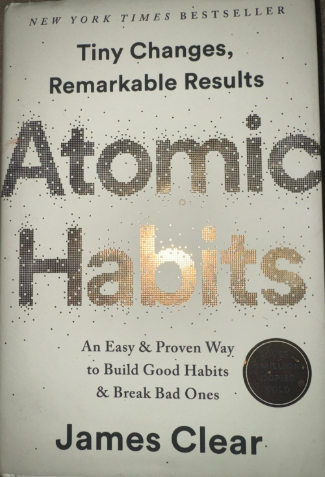
In “Atomic Habits,” James Clear argues that small daily improvements shape success more than dramatic overhauls. His book explains how tiny habits compound into major life changes over time.
The Core Idea: Tiny Habits, Massive Impact
The most important takeaway from “Atomic Habits” is that progress does not come from huge bursts of motivation. Instead, Clear explains that improving just one percent every day leads to long-term growth. He writes, “Habits are the compound interest of self-improvement.” That metaphor is central to the book. Just like money grows in a bank account, habits grow through repetition.
Clear focuses on systems instead of goals. He argues that goals are temporary, but systems are what actually create results. Rather than saying, “I want straight A’s,” he would suggest building a study system that makes academic success automatic. This concept is practical and realistic for students because it removes pressure and focuses on consistency.
The Four Laws of Behavior Change
Another key idea is the “Four Laws of Behavior Change:” make it obvious, make it attractive, make it easy, and make it satisfying. These laws act like a blueprint for building better habits and breaking bad ones. For example, if you want to read more, putting a book on your pillow makes the habit obvious. Making habits easy reduces excuses.
Psychologist B.J. Fogg explains a similar idea when he says, “Tiny habits are the seeds of massive transformation.” His perspective supports Clear’s argument that small actions lead to big results over time. By connecting science with real-life examples, the book makes behavior change feel manageable.
Identity Over Outcomes
Clear also emphasizes identity-based habits. He suggests focusing on who you want to become instead of what you want to achieve. For instance, instead of trying to run a marathon, focus on becoming “a runner.” Each small action then reinforces that identity. This shift feels powerful because it changes how people see themselves.
The book includes real-world stories of athletes, artists, and entrepreneurs who used small changes to create success. These examples add credibility and show that the system works in different situations.
Why It Stands Out
Unlike many self-help books, “Atomic Habits” is straightforward and backed by research. Clear’s writing is simple, organized, and practical. Every chapter builds on the main message without repeating the same idea over and over. The strategies feel doable, especially for teenagers balancing school, work, and social life.
Overall, “Atomic Habits” proves that dramatic life changes do not require dramatic action. By focusing on small improvements, identity shifts, and consistent systems, Clear presents a method that is both realistic and effective. The book’s biggest strength is its practicality, it does not just inspire readers; it gives them a clear plan to follow.